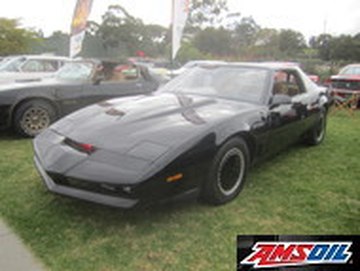
Engine Lubrication and Maintenance for the 1982 Pontiac FIREBIRD 5.0L
Maintaining a classic performance vehicle like the 1982 Pontiac FIREBIRD requires a disciplined approach to routine service. With the 5.0L engine, consistent attention to lubrication and fluid integrity is essential for long-term operation. Because older engines often operate under different mechanical stresses than modern counterparts, owners should focus on proactive monitoring rather than waiting for visible signs of trouble.
Monitoring Fluid Integrity and Potential Leaks
One of the most effective ways to monitor the health of a 5.0L engine is through regular visual inspections of the engine bay and undercarriage. Over time, various components can experience changes in their sealing capabilities. When performing routine checks, look for any signs of fluid seepage or active leaks around the engine block and associated components.
If you notice dark staining on the underside of the vehicle or a wet appearance on various engine surfaces, it may indicate that a seal or gasket is no longer providing an airtight or watertight barrier. It is also useful to inspect the area around the oil drain plug and the filter mounting surface to ensure these connection points remain secure and free of residue. Identifying these small amounts of seepage early can prevent more significant issues later on.
Beyond just looking for leaks, pay attention to the color and consistency of the engine oil during your regular checks. While oil naturally darkens as it accumulates combustion byproducts, an extremely thick or sludge-like appearance can be a sign that service intervals have been extended too far. Conversely, if the oil appears unusually thin or has a strong scent of fuel, this warrants immediate investigation to determine the cause.
Managing Engine Longevity Through Consistent Service
For owners of a 1982 Pontiac FIREBIRD, establishing a reliable maintenance baseline is a priority. If you have recently acquired the vehicle and do not have access to a detailed service history, your first goal should be to document its current condition. This involves checking all fluid levels, inspecting the condition of various hoses if present, and noting any existing mechanical noises.
Once a baseline is established, you can better identify when changes occur. For example, if you notice that the engine requires more frequent top-offs than it did previously, this change in consumption provides a measurable data point for your maintenance records. Keeping a dedicated log of every oil change, filter replacement, and inspection helps distinguish between normal aging and developing mechanical concerns.
As these vehicles age, the materials used in various gaskets and belts may become less resilient. If equipped, inspect accessible drive belts for signs of cracking, glazing, or fraying. Similarly, if any cooling hoses are present and accessible, check them for softness, brittleness, or bulging. Addressing these aging components based on their actual physical condition—rather than just the age of the vehicle—is a more effective way to prioritize your maintenance budget.
Identifying Potential Operational Warning Signs
While many maintenance tasks are proactive, some require a reactive approach when specific symptoms arise. It is important to remember that a single symptom can be associated with several different underlying causes, so observation should always be paired with careful investigation.
- Unusual Noises: Any new mechanical sounds, such as tapping or knocking, should be investigated promptly. These noises can sometimes be related to lubrication levels or the condition of internal components.
- Changes in Exhaust Appearance: While exhaust characteristics can vary based on many factors, any sudden change in the color or density of the exhaust smoke may indicate an issue with how the engine is managing its fluids.
- Temperature Fluctuations: If you notice the engine temperature behaving differently than usual, check all cooling-system components and ensure that there is no evidence of overheating.
- Warning Indicators: Any dashboard lights or indicators related to oil pressure or engine temperature require immediate attention to prevent potential damage.
If any of these signs occur, do not attempt to diagnose the specific failed component yourself without proper tools and knowledge. Instead, use these symptoms as a prompt to perform a thorough inspection or consult with a professional technician.
The Role of High-Mileage Formulations
As engines accumulate significant mileage, the physical properties of seals and gaskets can change. For vehicles in this category, some owners consider using high-mileage oil formulations. These specific products often contain seal-conditioning additives designed to help maintain the elasticity of aging components. While these additives are intended to assist with seal integrity, they are not a substitute for addressing active, heavy leaks or mechanical failures.
Using an appropriate formulation can be part of a broader strategy for managing an older engine, but it should always be done in conjunction with regular inspections. Monitoring how the engine responds to different lubricant types can help you determine which approach best suits your specific vehicle's needs.
Practical Steps for Effective Ownership
Effective long-term ownership of a 1982 Pontiac FIREBIRD is built on the distinction between preventive maintenance and unnecessary parts replacement. You do not always need to replace every component that looks old; instead, focus your energy on components that show actual signs of wear or deterioration.
Prioritize your tasks by addressing active leaks or warning signs first. Once the vehicle is stable, move toward routine preventive measures like fluid and filter changes. By focusing on condition-based maintenance—inspecting what you can see and listening to how the engine runs—you can manage the vehicle more efficiently and avoid the costs associated with reactive, emergency repairs.
Buying Engine Oil for your 1982 Pontiac FIREBIRD 5.0L
When it is time to replenish your engine's lubrication, the most important step is to ensure the product you select matches the specific requirements of your engine. To avoid errors, do not rely on general automotive knowledge or assumptions based on the vehicle's age. Instead, match the engine oil to the application-specific viscosity information already displayed on this webpage.
Before making a purchase, carefully check the product labeling to confirm it meets the necessary quality standards and certifications. Depending on your maintenance goals and the current condition of your 5.0L engine, you may choose between conventional, synthetic blend, or full synthetic oils. If your vehicle has high mileage, you might also consider formulations specifically designed with seal-conditioning additives. Always verify that the oil you are buying is compatible with the information provided in your vehicle's application data to ensure optimal performance and protection.